Writing & Zines Portfolio
What Writing Means to Me
Words have never come easily to me. I'm Dyslexic, with Phonological Processing Disorder, which means even my mother tongue feels foreign to me.
Language is made up of sounds that won't sit still, structures that don't come naturally the way they seem to for everyone else. So when I speak or write, it's already a fight before I've said anything at all. What comes out is blunt, strange, and built differently.
Despite this, I continue to create, even when written in a language that was never quite mine to begin with.
My Gender Journey
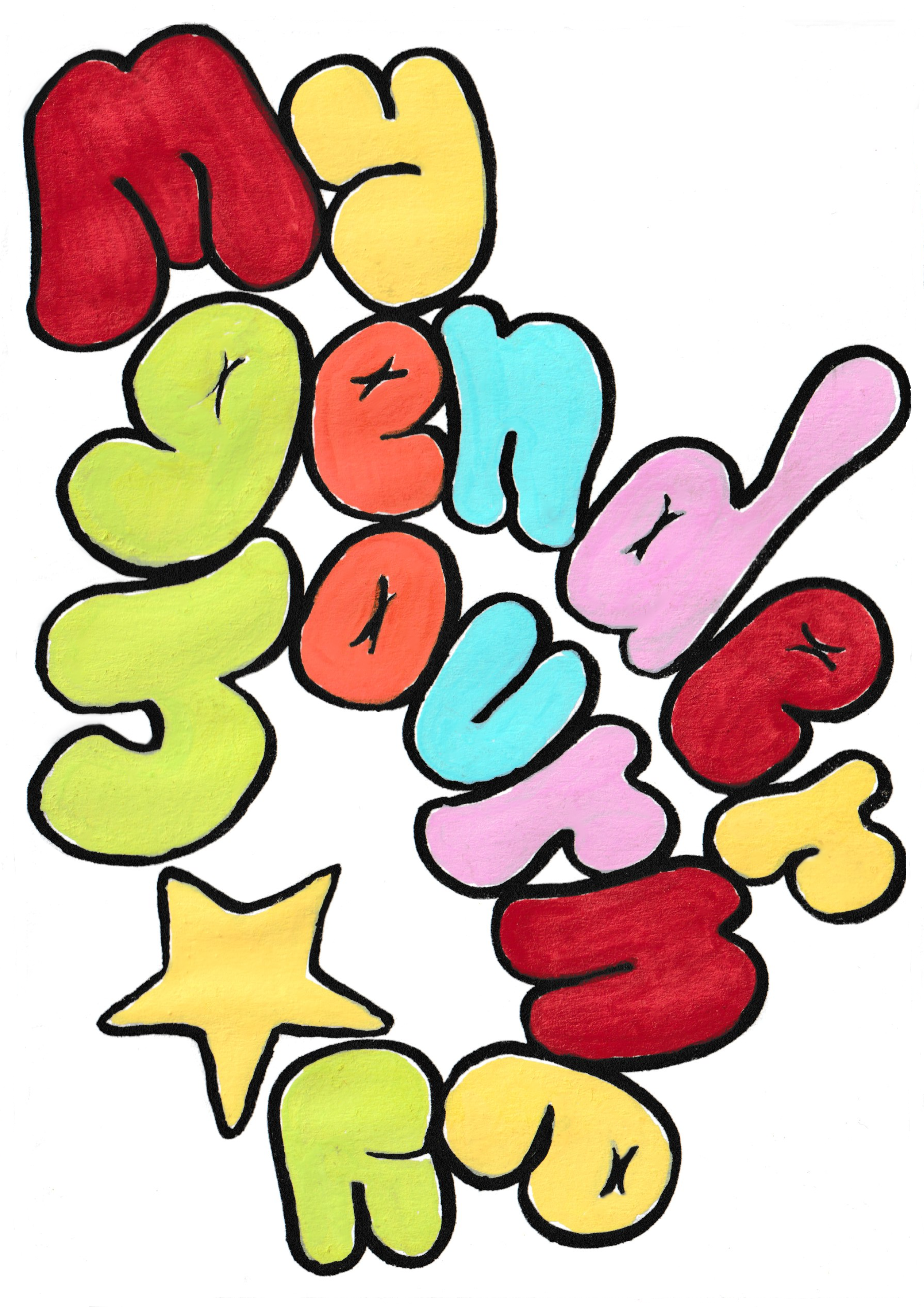
Front Cover from 'My Gender Journey' zine by Kaye Outhwaite, an educational resource on transgender lived experience
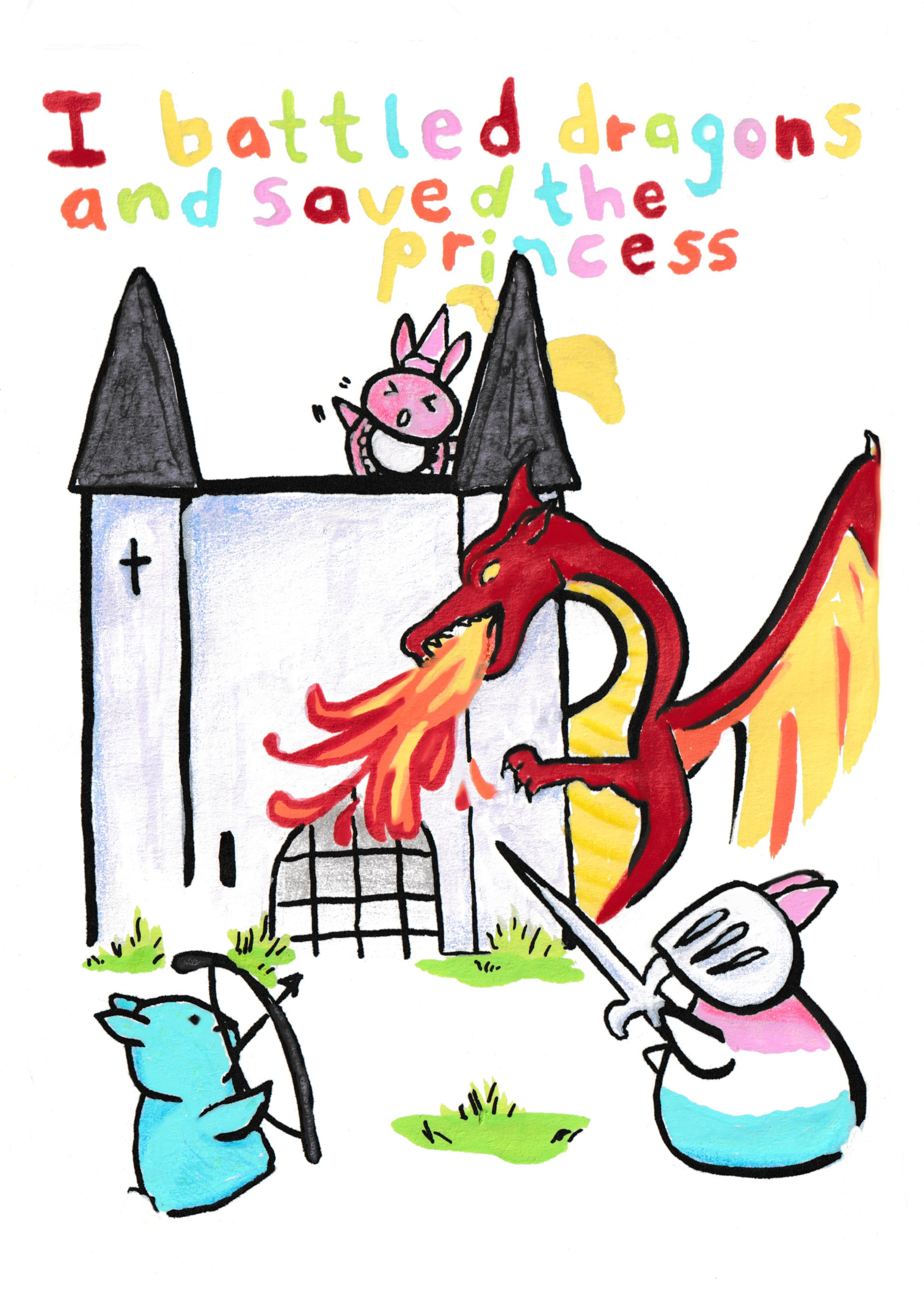
Page 1 from 'My Gender Journey' zine by Kaye Outhwaite, an educational resource on transgender lived experience
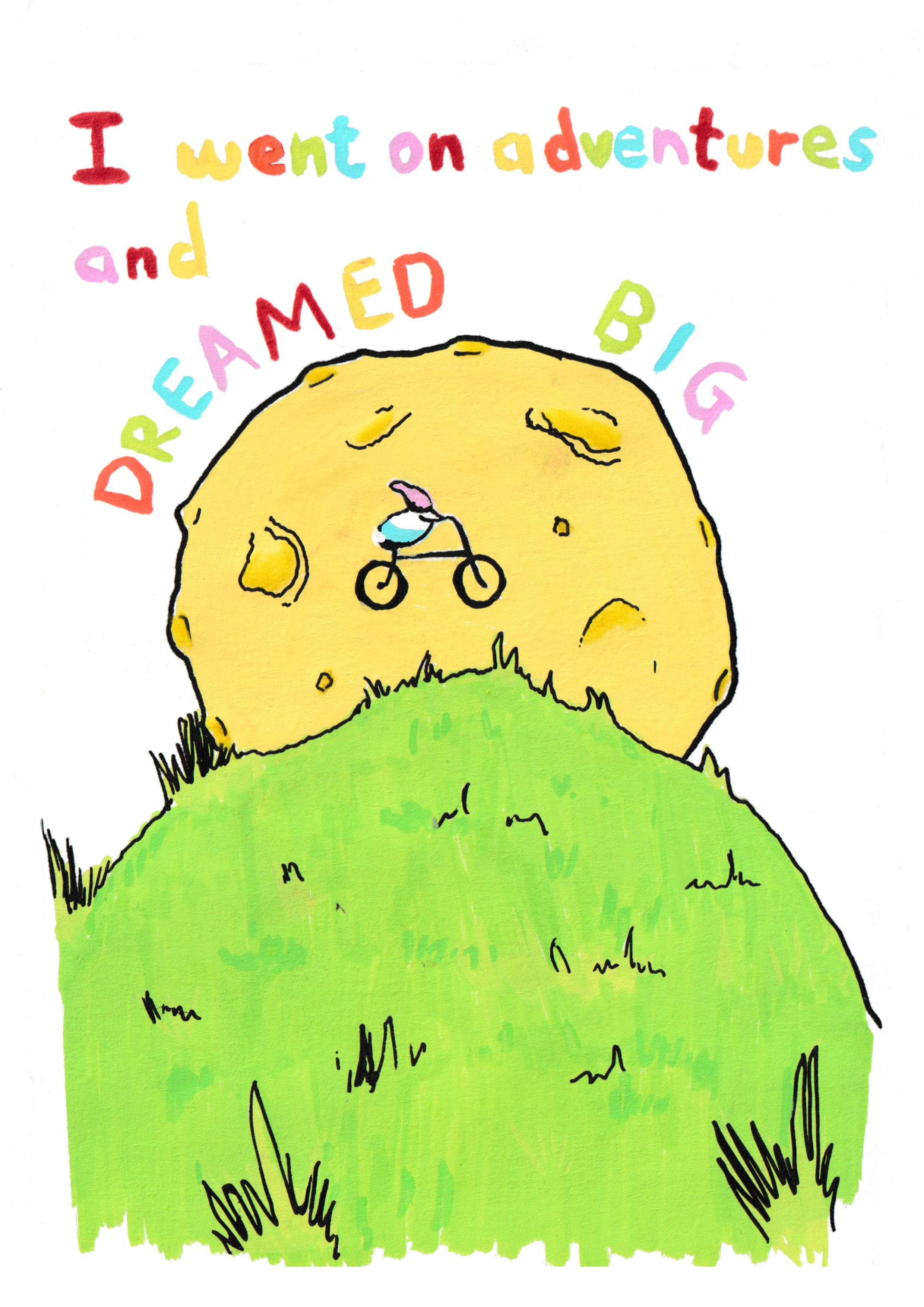
Page 2 from 'My Gender Journey' zine by Kaye Outhwaite, an educational resource on transgender lived experience
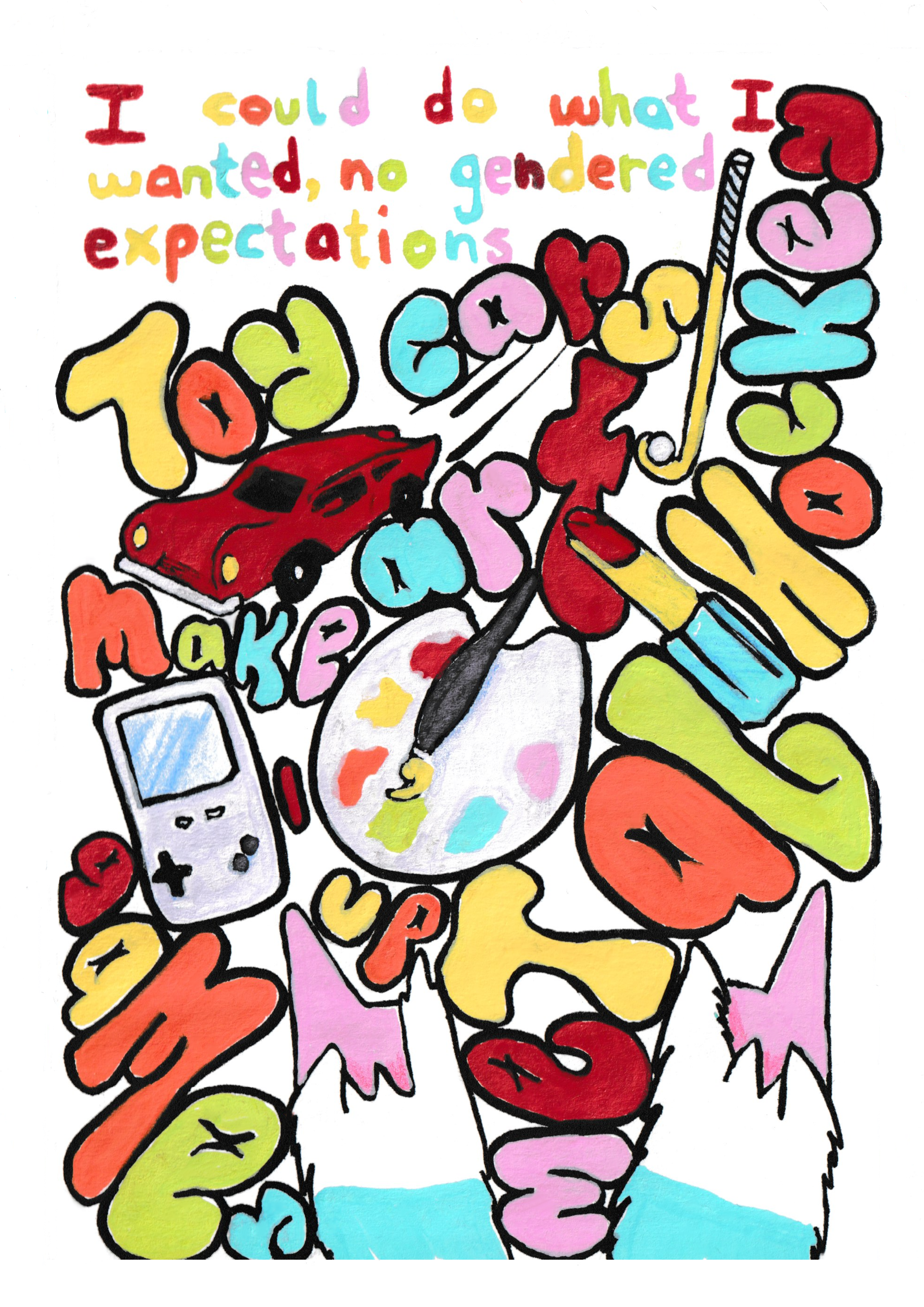
Page 3 from 'My Gender Journey' zine by Kaye Outhwaite, an educational resource on transgender lived experience
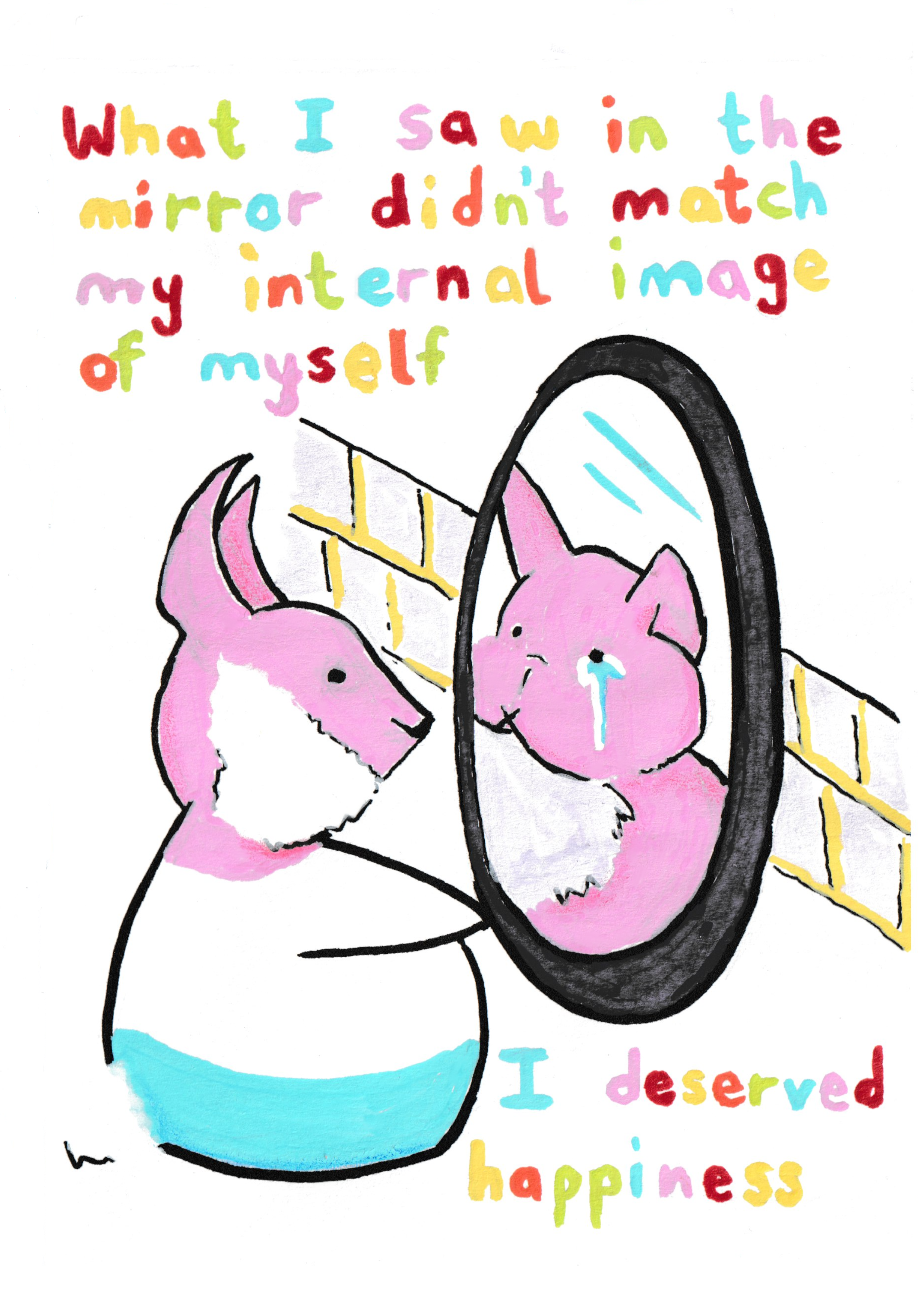
Page 4 from 'My Gender Journey' zine by Kaye Outhwaite, an educational resource on transgender lived experience
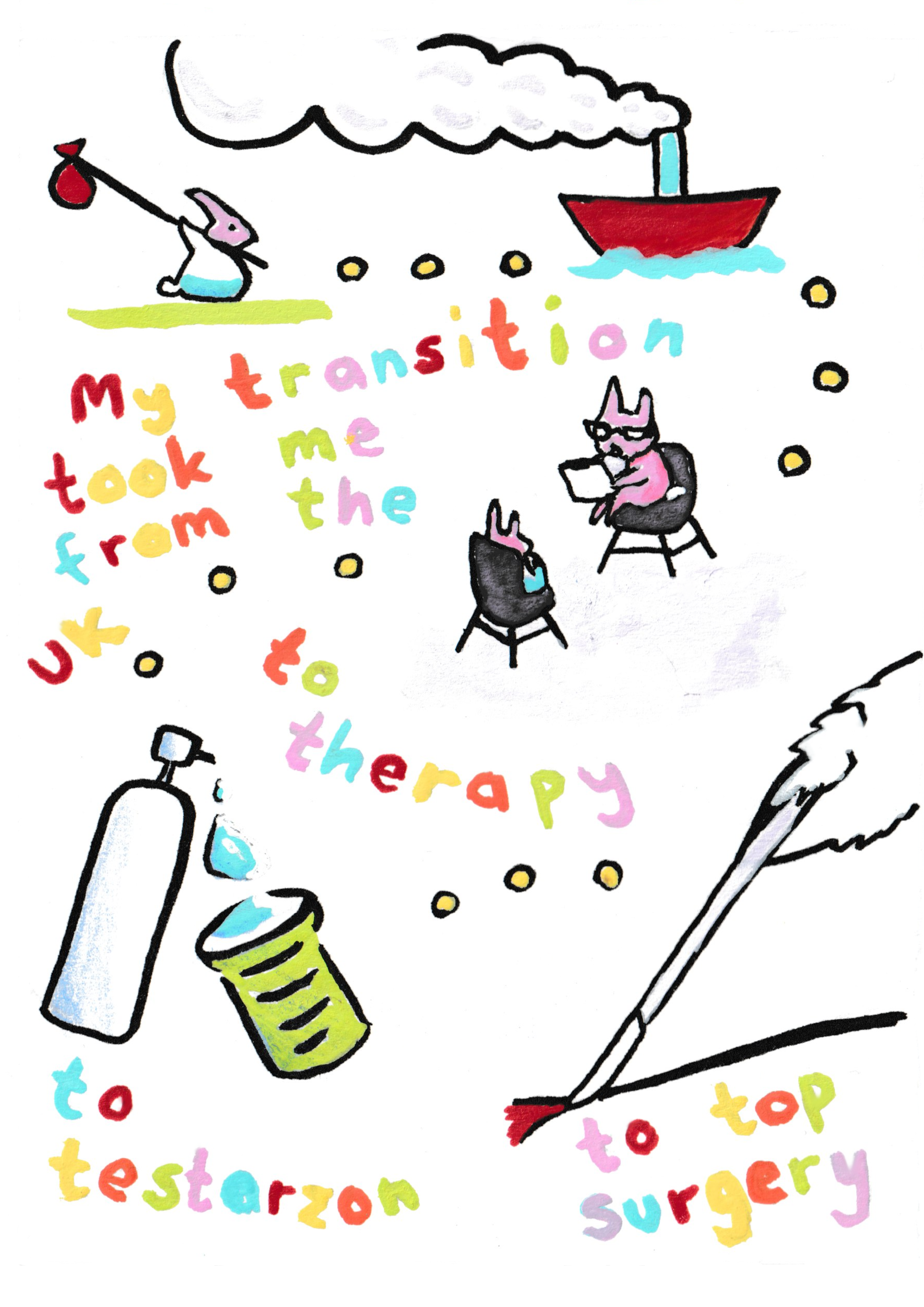
Page 5 from 'My Gender Journey' zine by Kaye Outhwaite, an educational resource on transgender lived experience
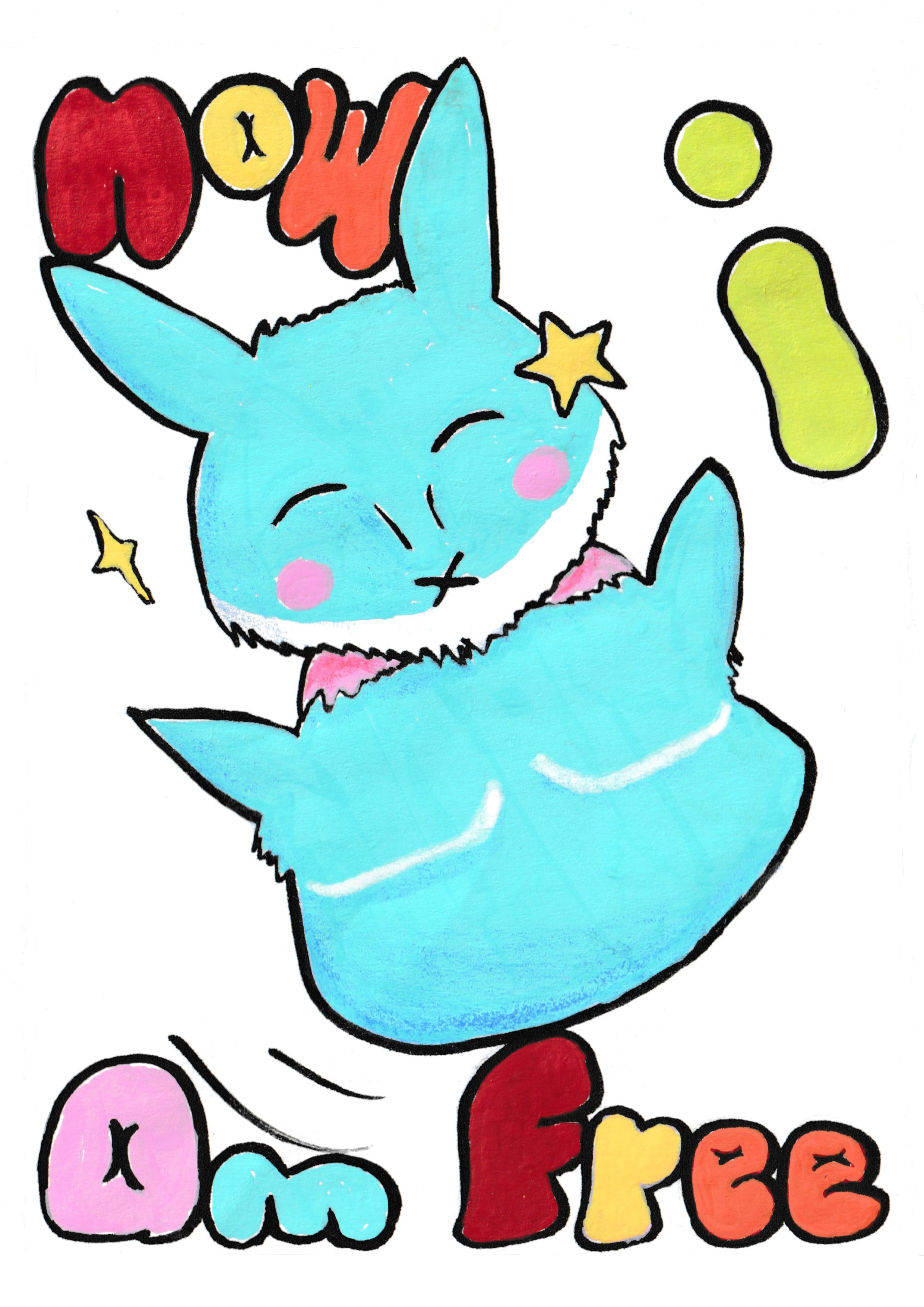
Page 6 from 'My Gender Journey' zine by Kaye Outhwaite, an educational resource on transgender lived experience
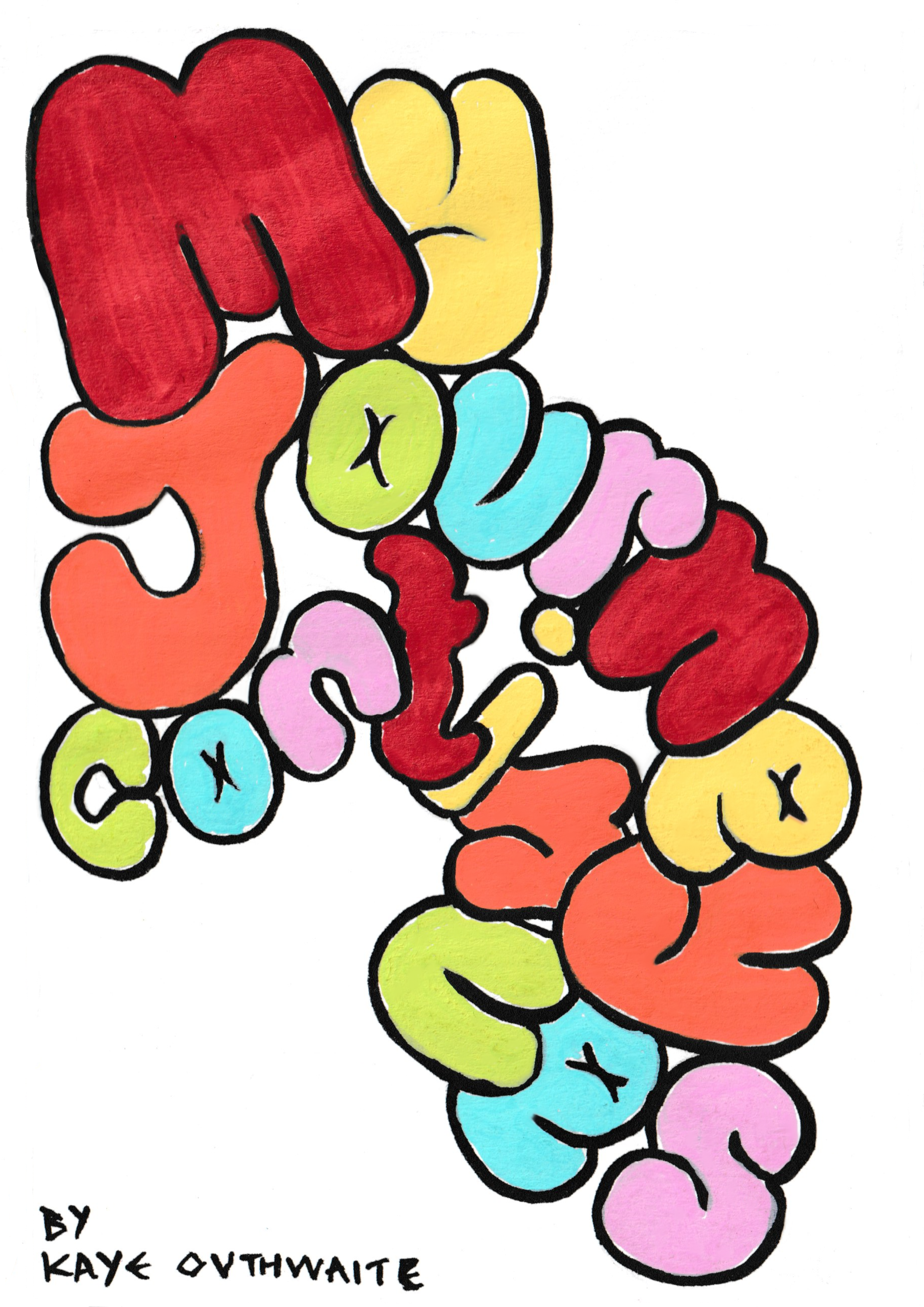
Back Cover from 'My Gender Journey' zine by Kaye Outhwaite, an educational resource on transgender lived experience
'My Gender Journey' (2026) by Kaye Outhwaite, zine on paper, A6. © 2026 Kaye Outhwaite. All Rights Reserved.
Stomping Ground
Published in 'ENVIRONMENT: Anthology of Poetry and Prose' on 29th April 2024
Synopsis
In a once-thriving rabbit warren now choked by pollution and industrial expansion, a young rabbit named Willow prepares for the daily patrols that have become a ritual of dread. For two years, the encroaching machines called heavy hands by the rabbits have poisoned the land, driven the warren into madness, and replaced sunlit hills with slabs of grey destruction. While elders tremble and kits cling to their mothers, Willow forces herself above ground to witness the devastation the machines have wrought.
The heavy hands advance again, tearing through the earth with men fused to their mechanical bodies. Willow and the patrol stomp warnings down into the tunnels, desperately hoping to save those below. But the machines arrive too quickly. In a blinding moment of violence, a patrol member is struck down, and Willow herself is buried beneath contaminated soil.
Pinned, suffocating, and unable to move, Willow’s world narrows. The roar of machinery fades, replaced by the steady drum of her own heartbeat, an echo of the gentle comfort she once knew as a kit. As darkness closes in, she clings to the hope that her warning reached the others, surrendering to the quiet rhythm of life that remains even as the world above collapses.
Does Fine Art have a problem with disability?
First Published in Wishbone Words, Issue 9, 2023
Synopsis
A disabled artist reflects on a lifetime of unrecognised disabilities, early artistic passion, and the systemic barriers encountered in both art education and the Fine Art world. As a child, the writer excelled creatively but struggled academically due to undiagnosed Autism, Dyslexia, Dyscalculia, and Dysgraphia. These difficulties went unnoticed by teachers and family, leading the writer to develop exhausting coping strategies to appear typical. Although the writer entered university as a young adult, the lack of support made success impossible, and they abandoned their dream of becoming an artist.
Years later, after finally receiving multiple diagnoses and therapeutic support, the writer returned to art and eventually re-entered university with renewed hope. Despite careful preparation for sensory challenges, the environment proved overwhelming. Some tutors offered genuine understanding, demonstrating that accessibility in Fine Art could exist. However, a new tutor failed to acknowledge the writer’s documented needs, repeatedly placing them in a noisy and visually painful environment with unclear instructions. This culminated in a sensory overload, a meltdown, and an Autistic shutdown, which the tutor mishandled, worsening the situation. The writer’s complaint was initially dismissed, reinforcing a sense that disabled artists do not belong in Fine Art spaces.
The writer argues that Ableism permeates both art galleries and academic institutions. They describe frequent barriers in museums and exhibitions, such as poor signage, bright lighting, lack of quiet options, inaccessible layouts, and staff who disregard visible indicators of disability. A visit to Oxford Modern Art for Maria Abramovic’s Gates and Portals highlighted these problems, as harsh lighting and confusing instructions caused significant sensory pain.
The piece expands on the meaning of Ableism, offering examples from social attitudes to institutional practices. It also notes how the wider artistic community often assumes disabled artists need therapy instead of professional recognition or that they should avoid asking for accommodations. The writer calls for more inclusive artistic spaces and highlights projects that platform disabled creators, arguing that these exist because mainstream Fine Art rarely offers accessible opportunities.
Finally, the writer explains the wide-reaching effects of Ableism, including barriers to education, healthcare, employment, and safety. They conclude with suggestions for individuals and organisations on how to support disabled people, advocate for better policies, challenge harmful attitudes, and create more accessible environments.
How It Feels To Be Autistic
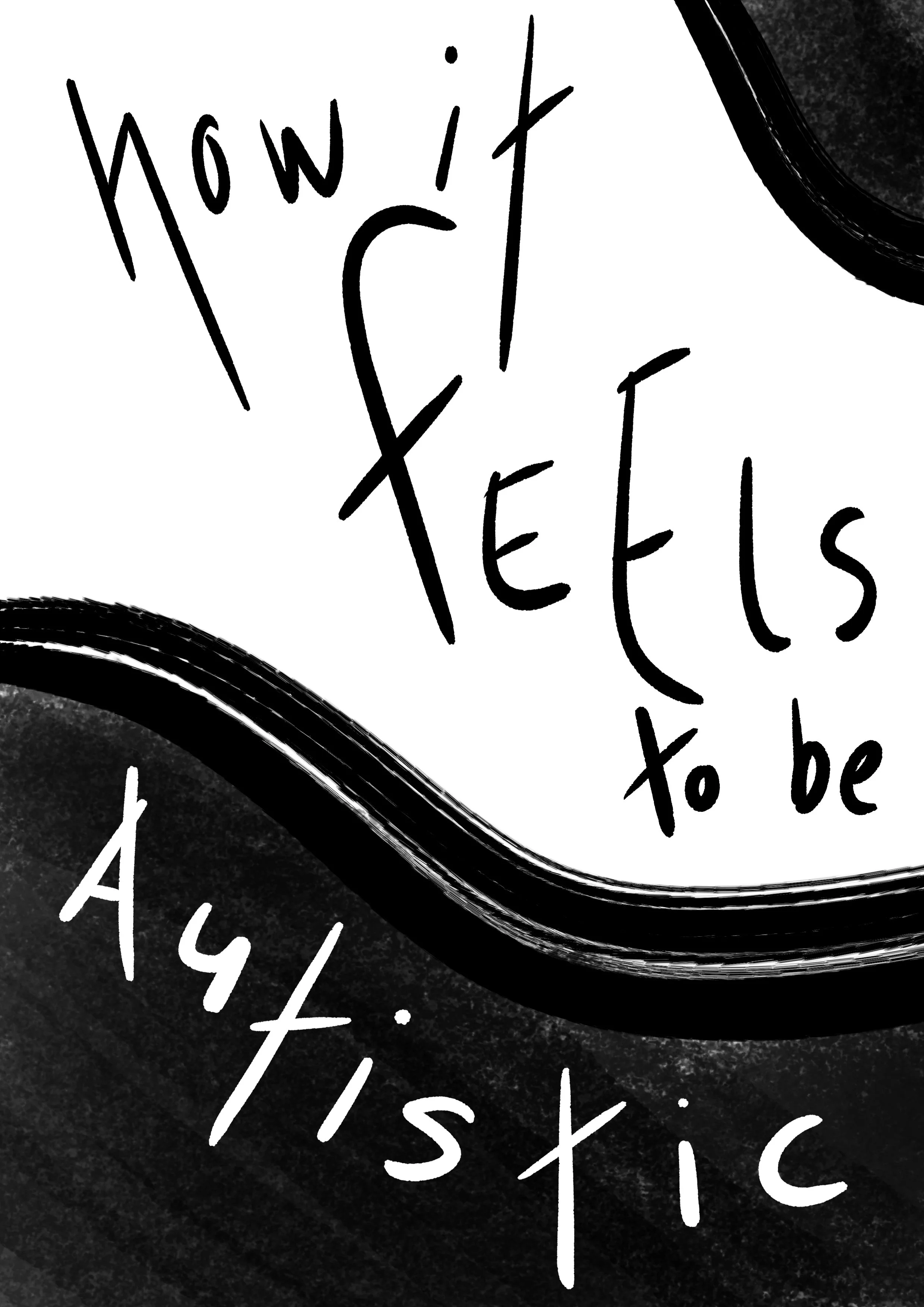
Front Cover from 'How It Feels To Be Autistic' zine by Kaye Outhwaite
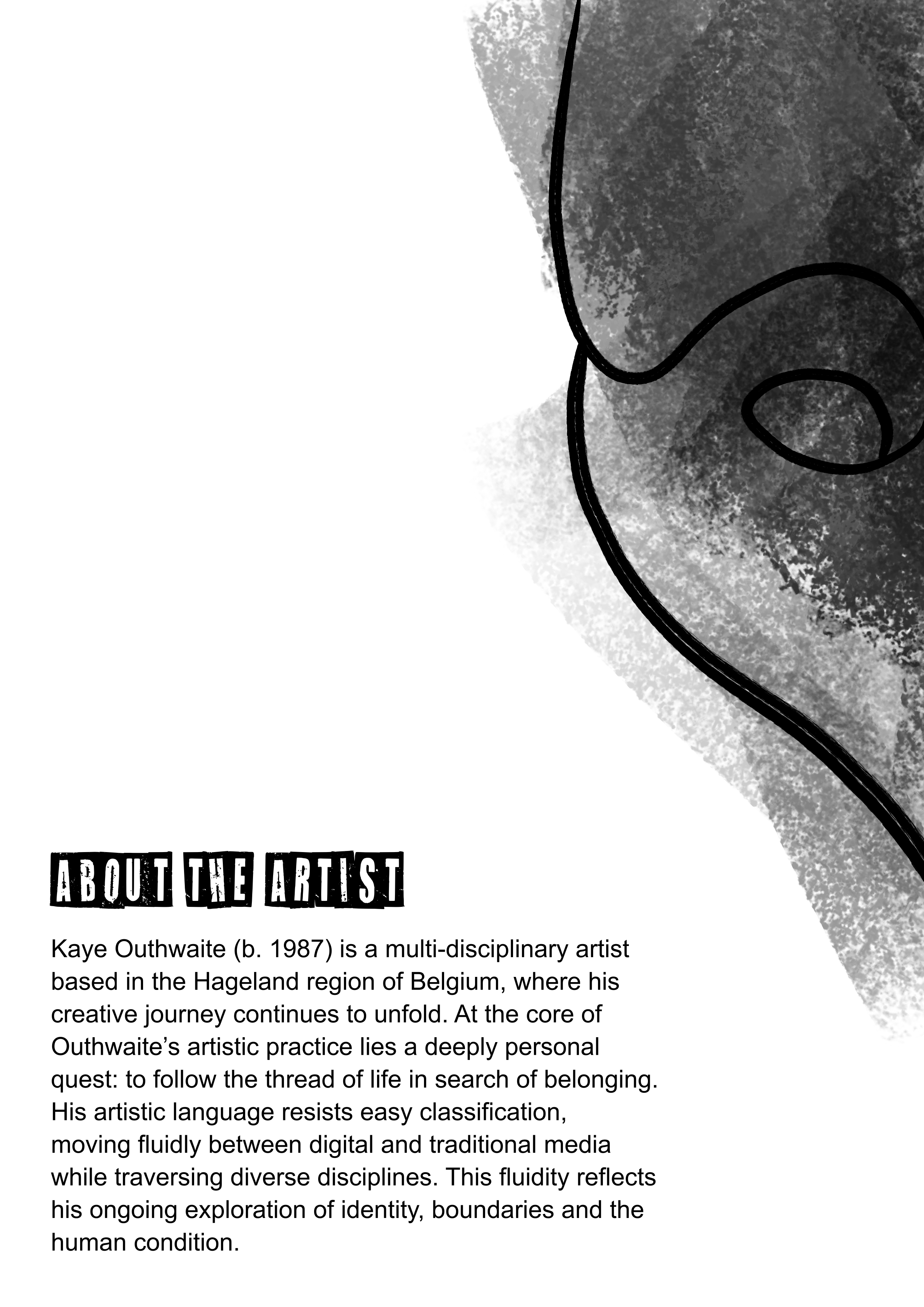
Page 1 from 'How It Feels To Be Autistic' zine by Kaye Outhwaite
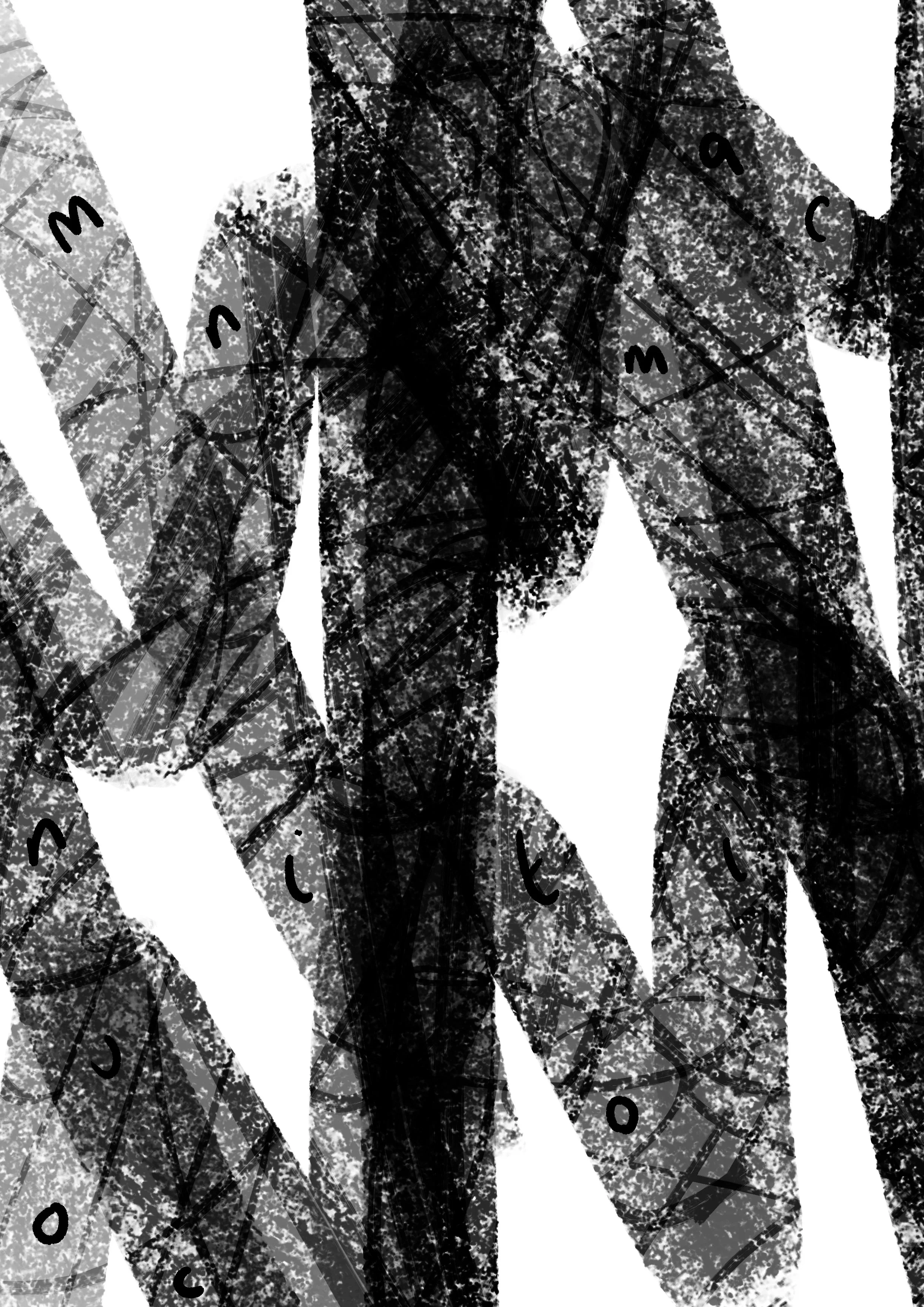
Page 2 from 'How It Feels To Be Autistic' zine by Kaye Outhwaite
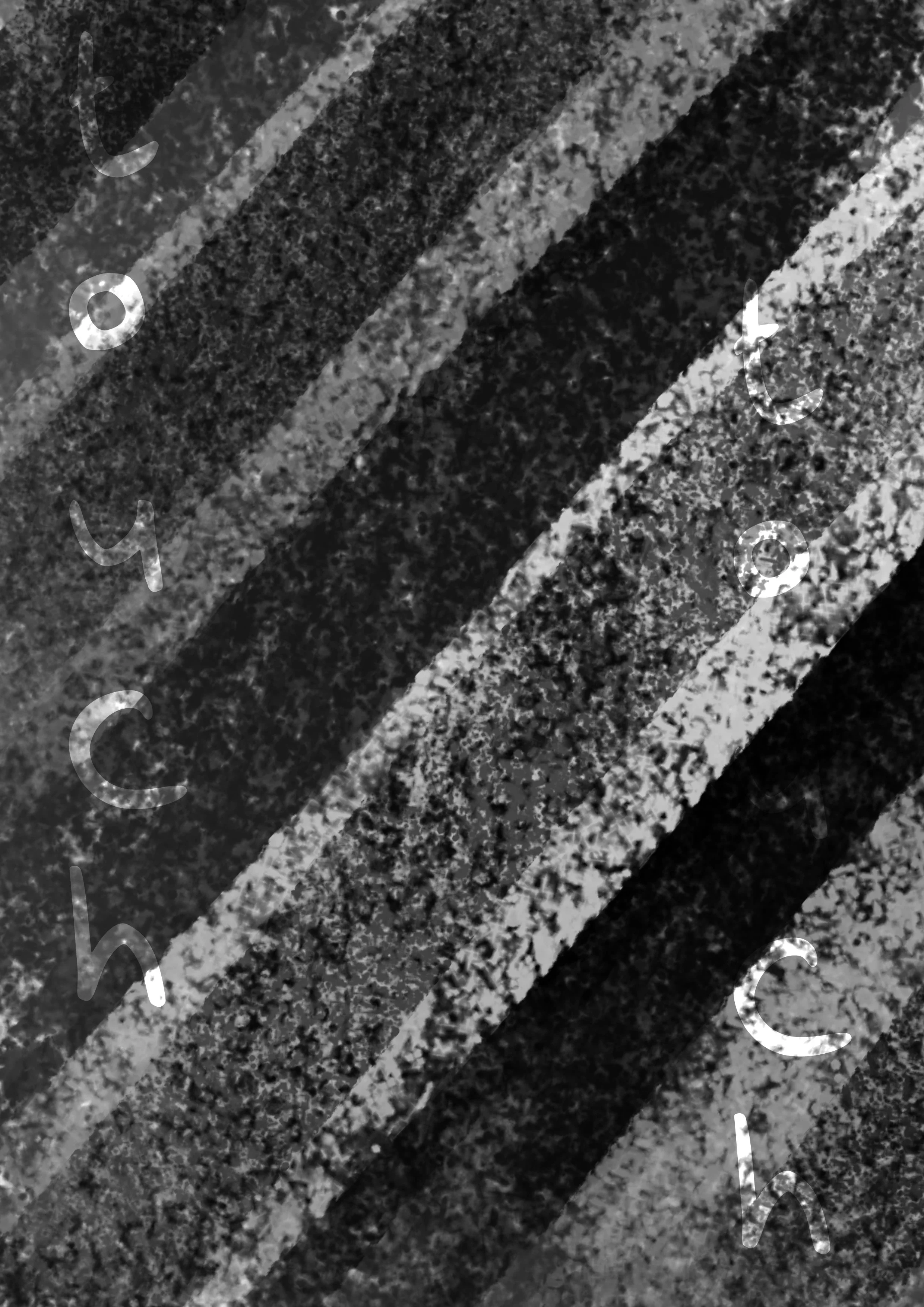
Page 3 from 'How It Feels To Be Autistic' zine by Kaye Outhwaite
Page 4 from 'How It Feels To Be Autistic' zine by Kaye Outhwaite
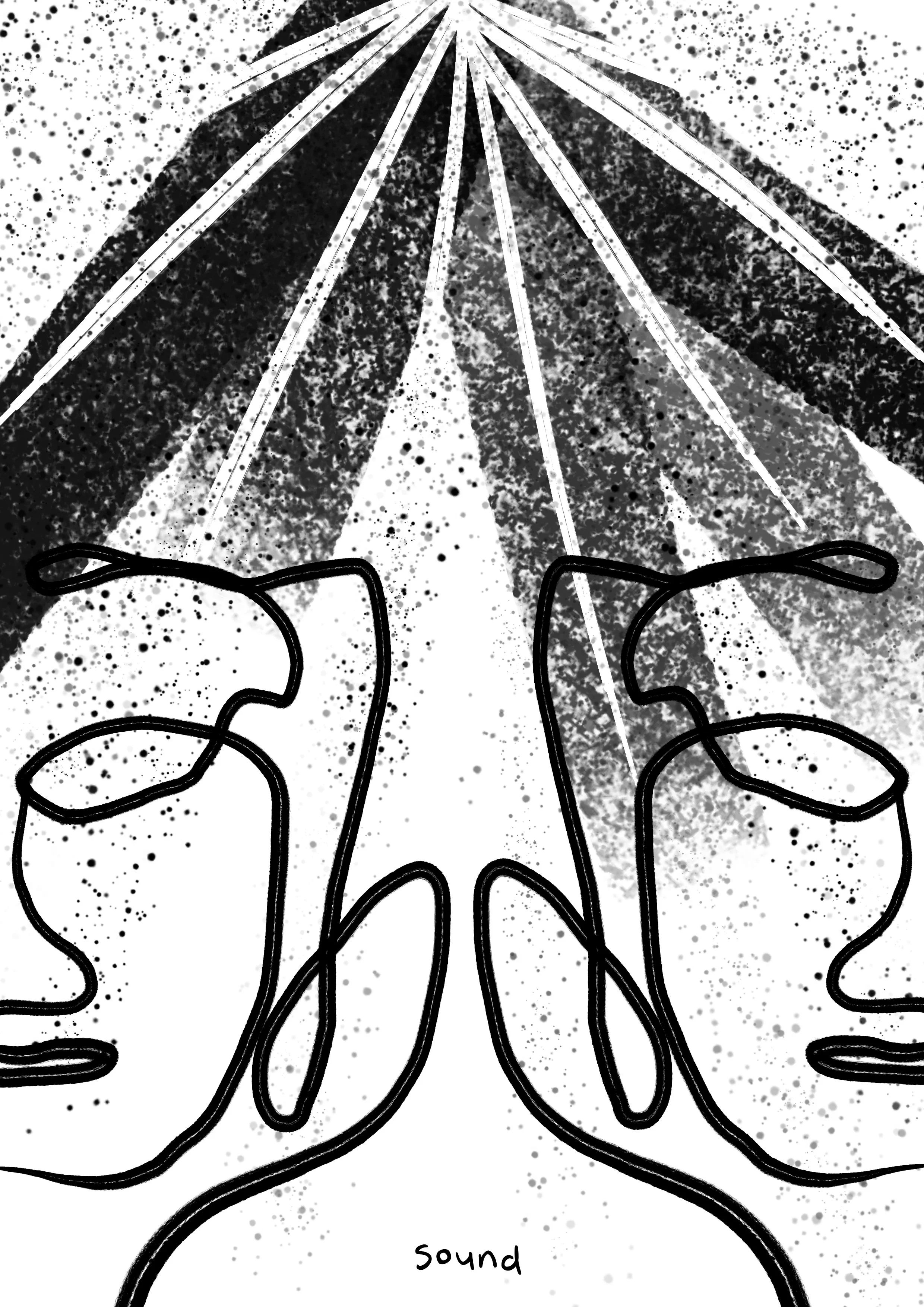
Page 5 from 'How It Feels To Be Autistic' zine by Kaye Outhwaite
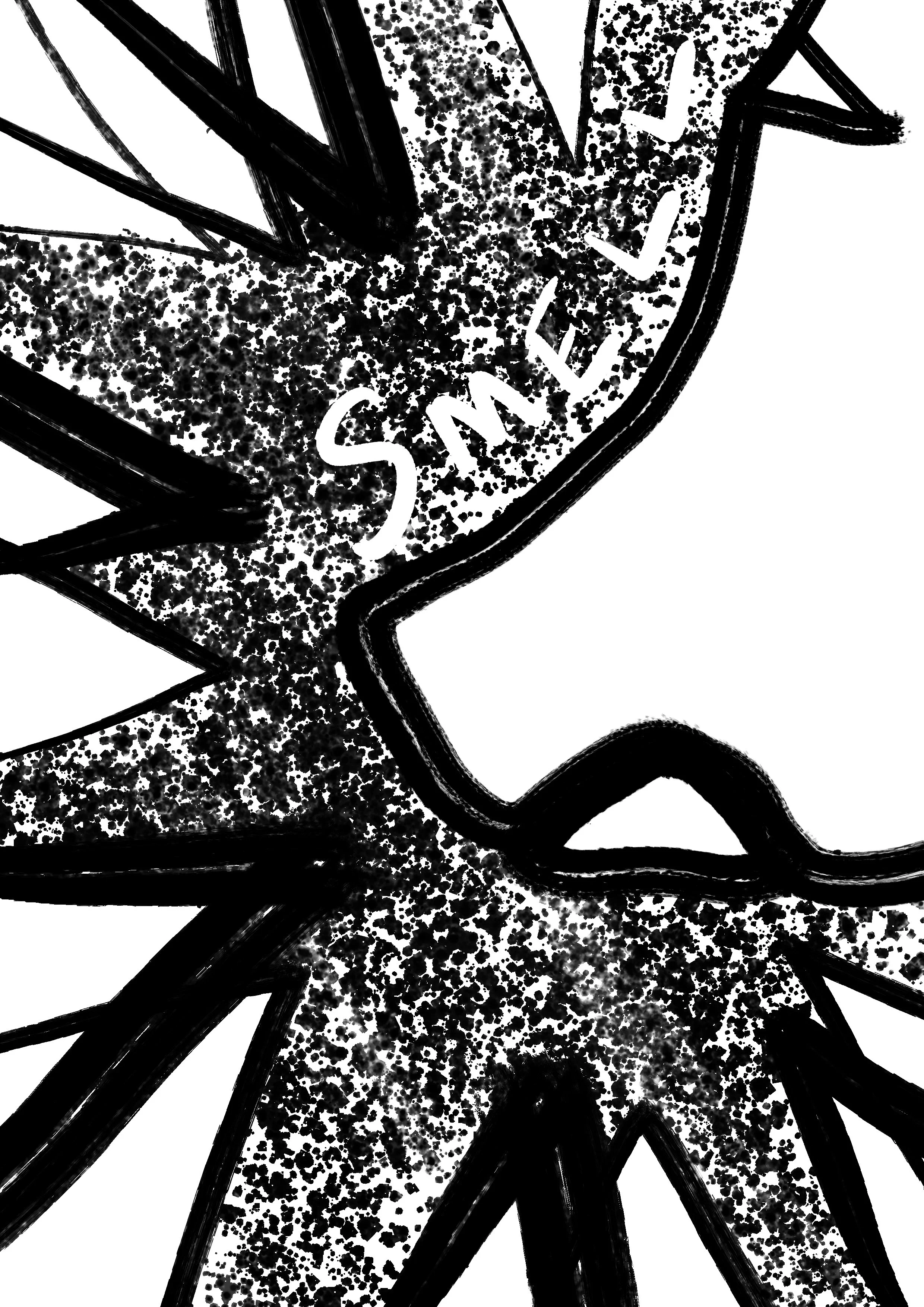
Page 6 from 'How It Feels To Be Autistic' zine by Kaye Outhwaite
Back Cover from 'How It Feels To Be Autistic' zine by Kaye Outhwaite
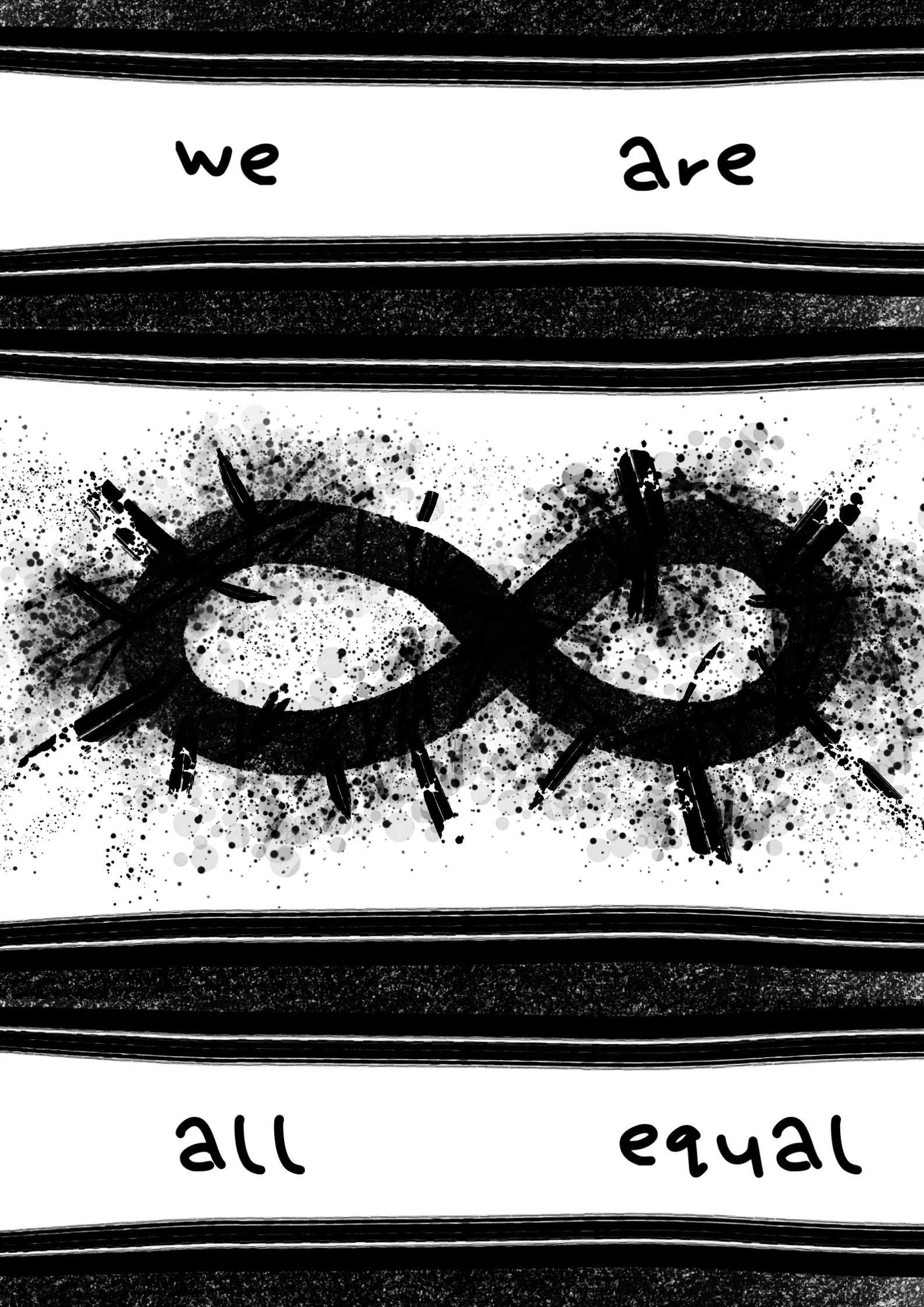
Inner Page from 'How It Feels To Be Autistic' zine by Kaye Outhwaite
'How It Feels To Be Autistic' (2023) by Kaye Outhwaite, zine on paper, A6. © 2023 Kaye Outhwaite. All Rights Reserved.
Translating The Recordings Of Mr Crow
First published in Wishbone Words, Issue 8, 2022
Synopsis
This experimental piece presents the fragmented thoughts of Mr Crow, a man living in a constant state of disorientation and sensory overwhelm. Using the repeated image of glossy balloons that pop, he conveys the tension between his inner world, rich with images, music, and abstract thought, and the external pressure to translate it into conventional language. Mr Crow reflects on the challenges of existing in a society that misunderstands or rejects neurodivergent ways of thinking, highlighting the difficulties of communication, artistic expression, and the constant demand to conform to normative expectations.
Description:
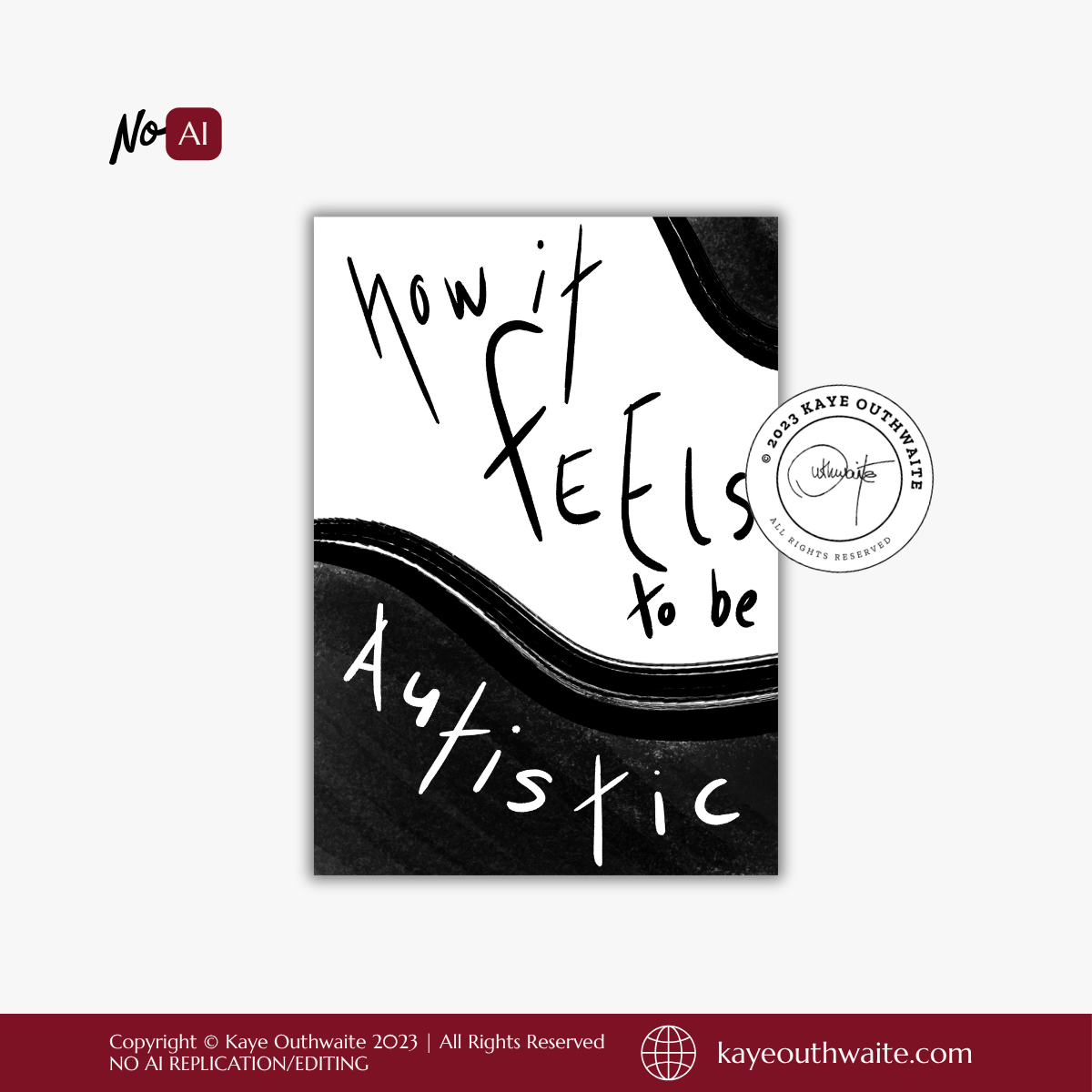
How it Feels to be Autistic is a digital zine by artist Kaye Outhwaite, drawn from his own lived experience as an Autistic person. Told through a naive illustration style using ink, the zine offers an honest, first-person look at one Autistic person’s experiences of the senses. It is not designed to be a stand-in for every Autistic experience, but as one voice among many.
This download works well for:
Personal reading and reflection
Educators, allies, and community groups looking for a genuine first-person resource on Autistic lived experience
Anyone wanting to better understand Autism through real, individual storytelling rather than generalisations.
Details:
Format: Instant digital download (PDF), 2 UK A4 pages
Instructions: When printing, ensure you duplex the pages
Usage terms: This is a personal and educational-use license only. It is not a commercial license, and all rights remain reserved by Kaye Outhwaite. Please don't feed the file into AI tools, or edit, alter, or redistribute the document in any form.