My Guide to Trans Rights Under New EU Directives
The new EU directives change what trans people can expect from employers, services and public bodies. In this guide I break down what your rights are and how to use them.
Autistic and Dyslexic: The Exhausting Reality of Being Misunderstood
I provided an Access Rider outlining my communication needs as an Autistic and Dyslexic person. It was ignored. What followed was days of mischaracterisation, an unanswered complaint, and a hard look at what "allyship" really means when accessibility language isn't backed by action.
Ageing Out: Being 'Too Old' in a Community Built on Not Fitting In
A note before you read: this piece touches on suicide, homophobia, slurs, the AIDS crisis, death, and the laws that criminalised us. Take care of yourself, and skip this text if you need to.
I'm 38 and apparently an elder Queer. On gatekeeping, generational trauma, and why the Queer community keeps mistaking each other for enemies.
Section 28 Didn't End in 2003: It Followed Me Into Adulthood
The Section 28 Justice Coalition is a volunteer-led campaign group whose central aim is a public inquiry into the impact of Section 28 of the Local Government Act 1988. This law from 1988 to 2003 barred local authorities and schools from "promoting" homosexuality, leaving a generation of LGBTQIA+ people without support, information, or safety.
As part of this work, the Coalition runs the Dear Section 28 project, which is collecting an archive of personal testimony from people affected by the law. Here is my letter.
The History of Transandrophobia: Losing the Youth to Anti-Transfeminism
Browsing Tumblr this summer, I found young trans men and transmasculine people flooding the platform with incel-adjacent rhetoric under the hashtag #transandrophobia. This piece traces where the term came from, why it's being misused against trans women, and what older queer people can do to stop the divide before it grows.
The Future of LGBTQIA+ Allyship: Moving Beyond Performative Support
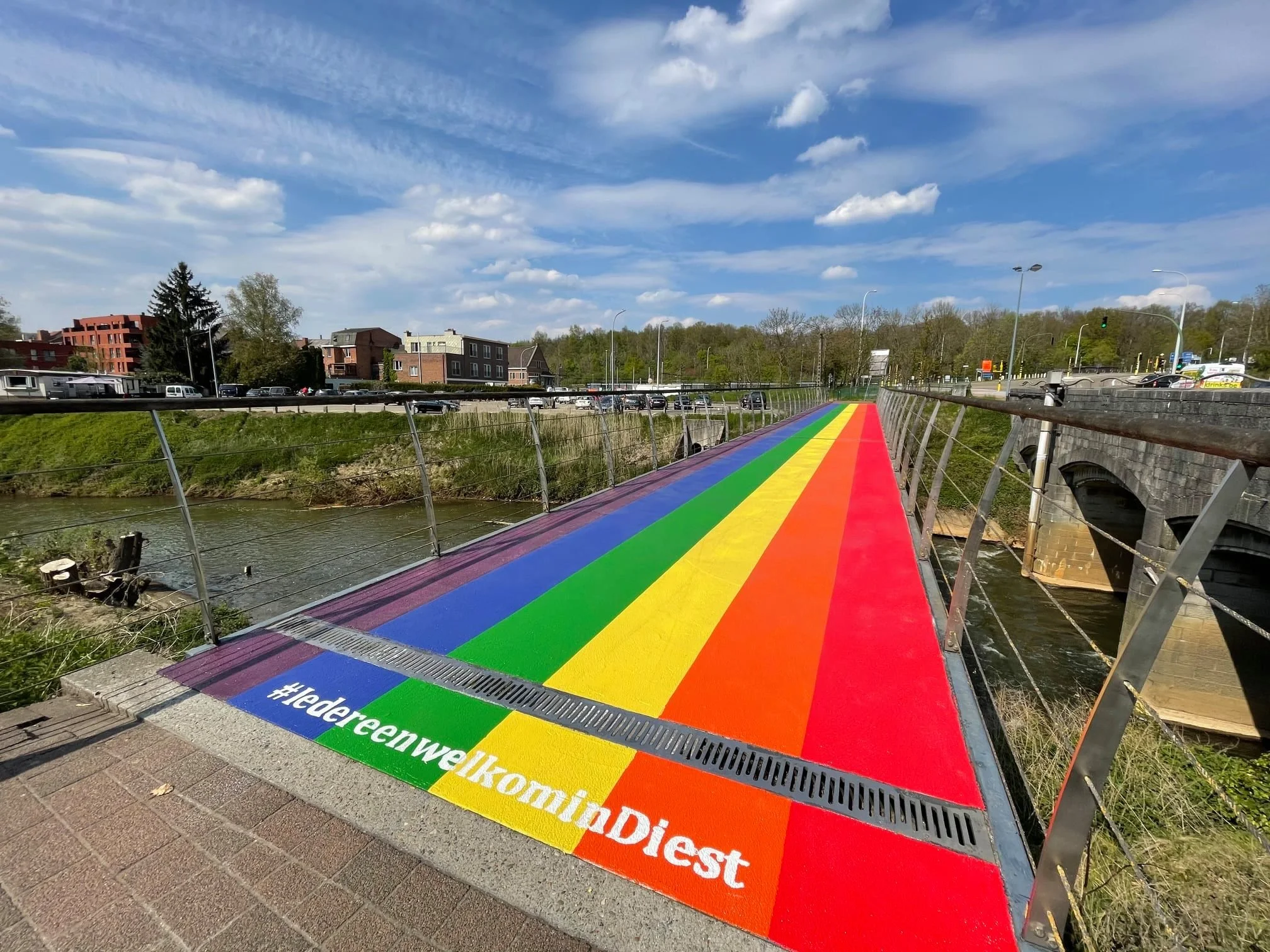
As LGBTQIA+ communities grow increasingly frustrated with performative allyship, many are calling for real action instead of symbolic social media support. This article explores why visibility alone is no longer enough, examining criticism surrounding Bart Stals’ Pride post, the neglected state of Diest’s Rainbow Bridge, and how minimising anti-LGBTQIA+ hostility contributes to a wider culture of harm.
Leuven’s Purple Point Movement for LGBTQIA+ Safety
Leuven’s Purple Point movement is helping reshape LGBTQIA+ safety in Belgium through grassroots organising, community care, and safer public spaces. Inspired by Spain’s Punto Violeta model, local activists and residents are building networks of support, safeguarding, and solidarity to tackle harassment, underreporting, and anti-queer violence in nightlife and public life.
From Vandalism to Violence: Why Labelling Hate Speech Accurately Matters
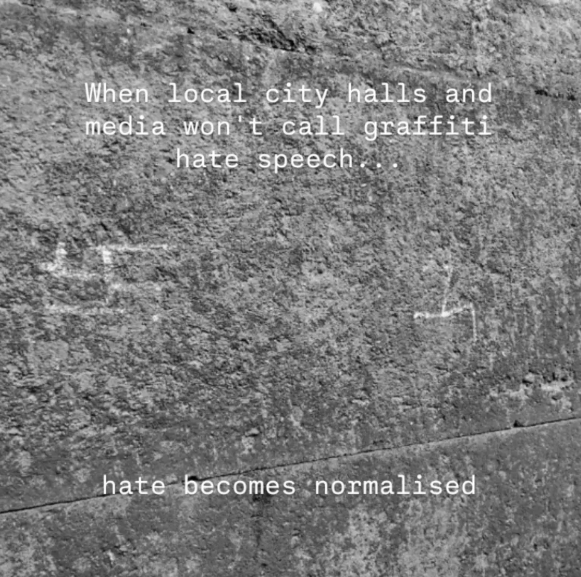
From Vandalism to Violence: Why Labelling Hate Speech Accurately Matters explores how the language we use to describe Hate Speech shapes public understanding, policy responses, and even perceptions of harm. Mislabelling or oversimplifying hate-driven communication can obscure its real-world impact and contribute to ineffective or harmful responses. The article argues that precise terminology is essential for safeguarding vulnerable communities and ensuring that escalating patterns of harm are properly recognised before they move from rhetoric to real-world violence.